

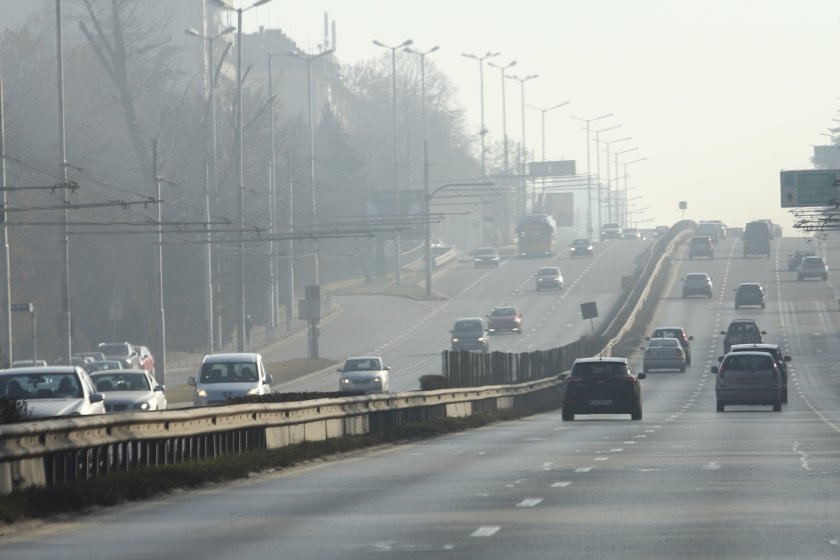
Air Pollution
On a daily basis, each of us inhales between 8,000 and 10,000 litres of air through our respiratory system. There is a well-established and thoroughly documented relationship between airborne contaminants and a wide array of adverse health effects. Over the last three decades, extensive scientific investigations have focused on how polluted air impacts human well-being in multiple ways.
So, what exactly constitutes air pollution?
Air pollution is defined as the release of any substance into the air that can cause harm to humans, animals, or the environment. These pollutants may exist in gaseous, liquid, or solid forms. Their sources are diverse—some stem from human behavior such as car emissions, industrial output, or cooking activities, while others are natural, including pollen grains or fungal spores. Although we don’t usually consider pollen to be a pollutant, individuals with hay fever or other allergies are very much affected by it.
According to the U.S. Environmental Protection Agency (EPA), the primary air contaminants include:
– Particulate matter (PM)
– Ground-level ozone
– Carbon monoxide (CO)
– Nitrogen oxides (NOx)
– Sulphur dioxide (SO2)
– Lead (Pb)
The World Health Organization (WHO) has estimated that air pollution contributes to the deaths of approximately 2.4 million people every year. With an average adult inhaling around 3,000 gallons of air daily, it is not uncommon for that air to contain a cocktail of various particulate and gaseous pollutants—many of them invisible.
Air pollution isn’t limited to the outdoors. Indoor spaces can also harbor hazardous substances, including fine particles and toxic gases from cooking, heating, smoking, furniture, paints, and cleaning supplies. Indoor air often becomes concentrated with contaminants because modern buildings are typically sealed tightly for energy efficiency and lack proper ventilation.
Particulate matter (PM) is among the most hazardous pollutants, comprising solid and liquid particles suspended in the air. These particles are categorized by their size:
– PM10: particles smaller than 10 microns but larger than 2.5 microns, commonly found near roads and dusty worksites
– PM2.5: fine particles under 2.5 microns, originating from combustion, vehicle exhaust, or power plants
– Ultrafine particles: under 0.1 microns, emitted by smoke, volcanic activity, sea spray, cooking, and even office equipment
Smaller particles pose greater health risks since they can travel deep into the lungs and enter the bloodstream. Ultrafine particles are especially concerning, though research into their health effects is still ongoing. Particles larger than 10 microns usually settle out of the air and are less likely to be inhaled, while fine and ultrafine particles stay suspended and can be transported over long distances.
One of the most significant outdoor sources of particulate matter is diesel exhaust, which contains a range of particle sizes between 1 and 10 microns. Coal smoke and tobacco smoke are additional sources, with particle sizes down to 0.1 microns. In busy urban environments, exposure to diesel fumes is a pressing concern.
Gaseous pollutants also pose serious health risks. For instance:
– Ground-level ozone is created when nitrogen oxides react with volatile organic compounds (VOCs) in sunlight. It’s not to be confused with the protective ozone layer in the upper atmosphere.
– Carbon monoxide is a dangerous gas with no smell or color. It results from combustion, both outdoors from cars and indoors from poorly maintained heating systems.
– Nitrogen oxides are highly reactive gases produced primarily by vehicle exhausts.
– Sulphur dioxide is released mainly from burning fossil fuels in industrial plants.
– Lead, once widespread due to its use in gasoline, now mainly comes from metal processing and aviation fuel in certain aircraft.
The health implications of air pollution are serious. The smaller the particle, the more dangerous it is. Fine and ultrafine particles are easily inhaled, bypassing the body’s natural defenses. They can reach the lungs and even infiltrate the circulatory system. Children, the elderly, and people with pre-existing heart or lung conditions are particularly at risk. Long-term exposure can lead to cardiovascular diseases, chronic respiratory conditions, and lung cancer. In regions where indoor wood-burning is prevalent, young children are at greater risk of respiratory infections.
Particulate matter aggravates symptoms of asthma, reduces lung capacity, and leads to more frequent respiratory complaints like coughing and difficulty breathing. It has also been connected to irregular heartbeat and heart attacks.
Specific health risks linked to gaseous pollutants include:
– Ozone: Can reduce lung function, provoke asthma attacks, and increase mortality rates. Long-term exposure may lead to irreversible lung damage.
– Carbon monoxide: Disrupts oxygen transport in the blood and can be fatal at high concentrations, especially for individuals with heart conditions.
– Nitrogen oxides: Worsen bronchitis and asthma, particularly in children. Hospital visits often spike after short-term spikes in NOx levels.
– Sulphur dioxide: Irritates eyes and lungs, worsens asthma and bronchitis, and is linked to increased heart disease mortality.
– Lead: Damages the nervous system, kidneys, and heart, with children being especially vulnerable—even to low doses.
Urban air pollution stems mainly from vehicle emissions and industrial operations. Nitrogen oxides and volatile organic compounds from traffic can form ozone in sunny conditions. Diesel engines contribute significantly to particulate pollution. People living or working near busy roads or industrial sites are at increased risk.
Indoor pollution is another growing concern. Besides infiltrating from outdoors, many indoor sources exist:
– Building materials and furniture
– Heating and cooking appliances
– Cigarette smoke
– Household products like paint, varnish, and cleaners
– Natural gases like radon
Indoor pollutants include VOCs, carbon monoxide, nitrogen oxides, particulate matter, mould spores, pet dander, and tobacco smoke. While the dangers of carbon monoxide and radon are well studied, the long-term effects of other indoor toxins are less understood.
To protect yourself, consider the following steps:
– Monitor outdoor air quality through local sources
– Keep distance from diesel vehicles and close your windows while in traffic
– Use HEPA air purifiers with carbon filters indoors
– Regularly clean and dust to reduce allergens
– Service gas appliances routinely
– Choose low-emission materials when furnishing or renovating
In summary, clean air—both indoors and outdoors—is vital for health. Awareness, lifestyle changes, and proper air purification can significantly reduce exposure and improve quality of life.
Get AQI data for Sofia and tips for clean air every Friday.
* By subscribing, you agree to our Privacy Policy .