

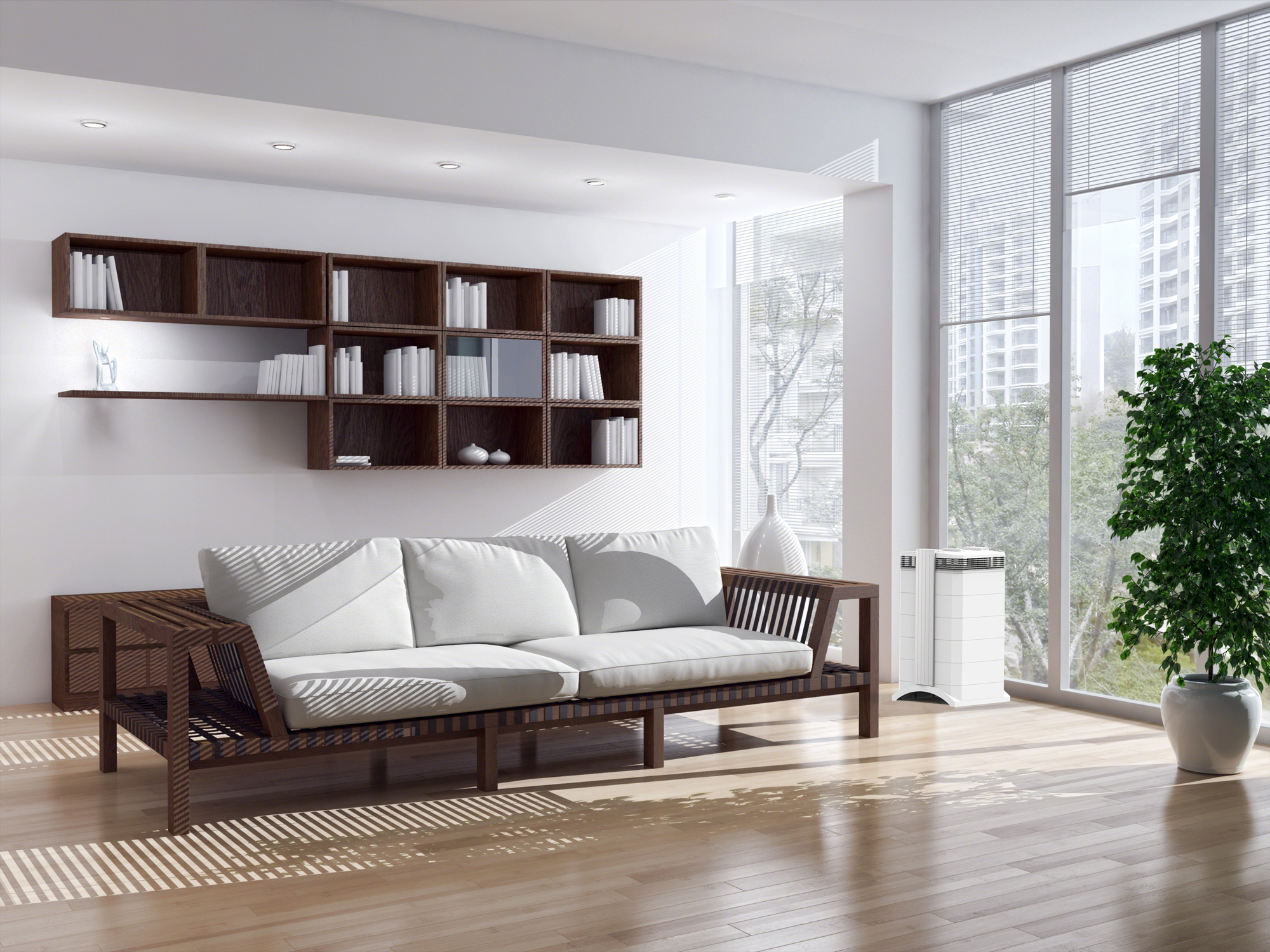
1. Let Fresh Air In
One of the most straightforward ways to refresh the air in your home is through ventilation—especially when the pollution outside is minimal. Opening windows for a few minutes daily helps to flush out indoor air pollutants, which can accumulate quickly in modern, airtight homes. Installing extractor fans in moisture-prone areas like kitchens and bathrooms can also limit mould and condensation.
2. Wash Your Pets Regularly
If you’re managing allergies while keeping furry companions, grooming is essential. Pet dander—especially from cats and dogs—is a significant allergen and is linked to nearly 40% of asthma cases. Use hypoallergenic shampoos to break down allergens on contact. Also, limit where pets are allowed in your home, especially on bedding. Wash soft toys and linens frequently with allergy-specific detergents.
3. Choose Electric Over Gas Cooking
Switching from a gas stove to an electric one can make a big difference. Studies show that gas appliances release pollutants that may double the risk of asthma in children compared to exposure to secondhand smoke. Adults using gas cookers are also more likely to develop respiratory problems than those using electric alternatives.
4. Examine Labels on Home Improvement Products
Formaldehyde, found in many pressed wood products and adhesives, is a known irritant and potential carcinogen. Look for certified low-emission options—especially when selecting MDF or flat-pack furniture. Items with CE certification generally meet stricter safety standards.
5. Replace Carpets With Hard Flooring
Wall-to-wall carpets can hold between 8 and 170 grams of deeply embedded dust per square meter. Vacuuming often isn’t enough to eliminate it, and dust mites thrive in these environments. Swapping to wood, tile, or laminate flooring can reduce allergens and simplify cleaning.
6. Use an Air Purifier
A high-quality air cleaner equipped with a HEPA filter (and ideally activated carbon) can significantly reduce airborne allergens like pet dander, pollen, mould spores, and dust mites. Hyper HEPA systems can also trap ultrafine pollutants. For best results, place purifiers in bedrooms and living areas.
7. Prepare for Pollen Peaks
Track pollen levels using weather or allergy apps. On high-pollen days, avoid bringing pollen indoors by changing clothes when you come home and washing your hair. Keep windows shut during peaks and run your air purifier continuously.
8. Address Damp and Mould
Dust mites and mould flourish in damp environments. Tackle bathroom mould promptly, check for mildew on shower curtains or stored items, and discard musty textiles. Keep humidity in check with dehumidifiers or better ventilation.
9. Avoid Indoor Smoking
Although smoking is banned in public places in many countries, private spaces are still vulnerable. If you smoke indoors or in the car, secondhand smoke can severely impact children and adults alike. Exposure increases the risk of heart disease by up to 30% and lung cancer by 20–30%.
10. Declutter Your Space
Excess items collect dust and make cleaning harder. Books, electronics, paperwork, and unused décor all trap allergens. At a minimum, keep surfaces tidy and clear to make regular cleaning easier and more effective.
Get AQI data for Sofia and tips for clean air every Friday.
* By subscribing, you agree to our Privacy Policy .